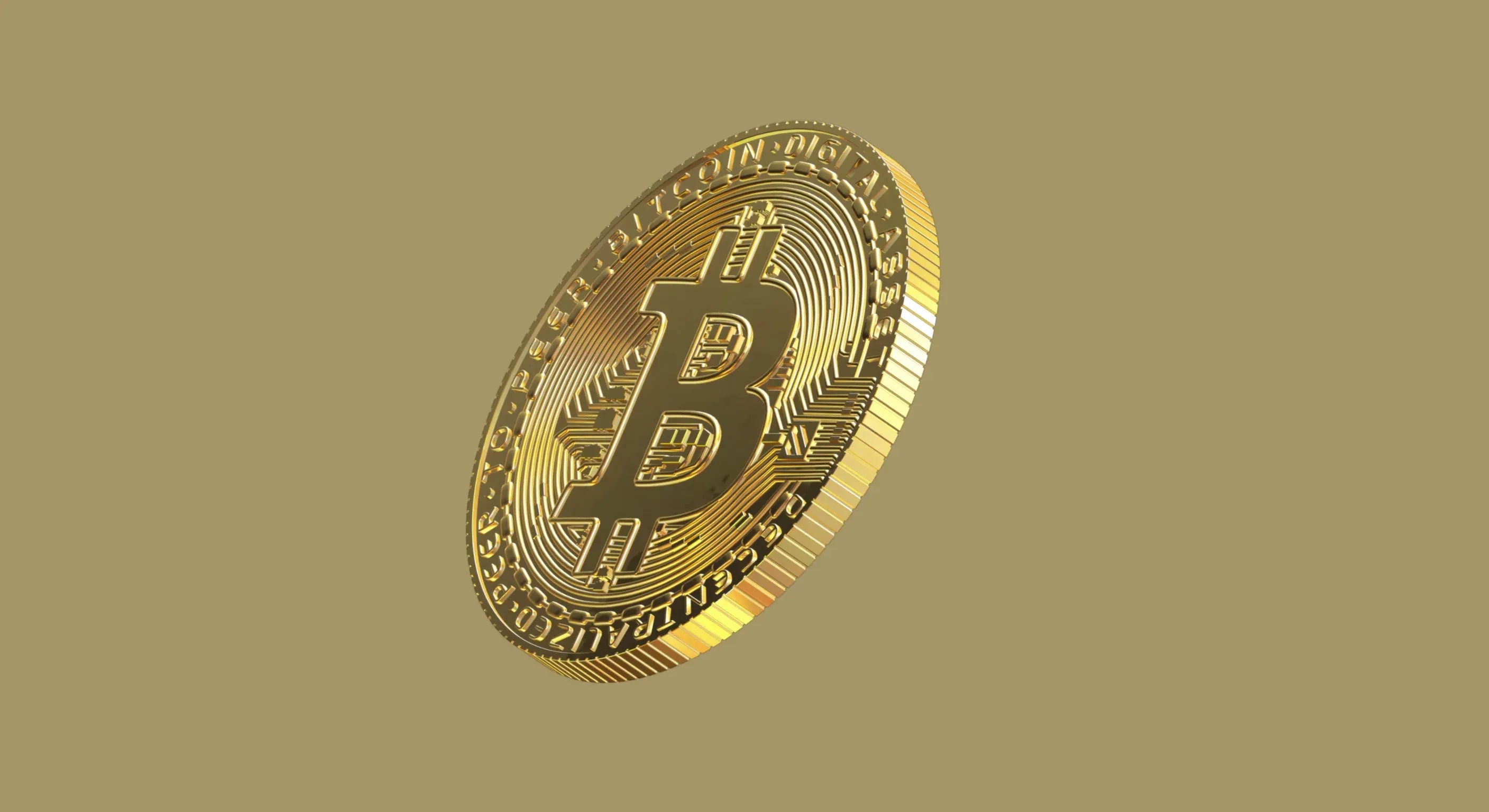
What is Bitcoin? Complete Guide to Digital Currency
What is Bitcoin? Learn how it works, how mining and blockchain secure it, ways to buy or earn it, what drives its price, and the key risks before investing.
Key takeaways:
- Bitcoin is the world's first decentralized digital currency that allows secure peer-to-peer transactions without banks or intermediaries.
- Created by the mysterious Satoshi Nakamoto in 2008, Bitcoin operates on blockchain technology that records all transactions publicly.
- Bitcoin mining secures the network through computational power, with miners rewarded for validating transactions.
- You can earn Bitcoin through mining, purchasing on exchanges, or accepting it as payment for goods and services.
- Bitcoin's price fluctuates dramatically, making it both an investment opportunity and a highly volatile digital asset that carries significant risk.
In 2010, a programmer paid 10,000 Bitcoin for two pizzas, worth about $25 then, over $1 billion today. That transaction marked the first real-world use of Bitcoin, a digital currency that has since grown from an experimental concept to a global financial phenomenon.
Created by the mysterious Satoshi Nakamoto in 2008, Bitcoin represents the first successful attempt at creating digital money without central control. No government, bank, or corporation manages Bitcoin - instead, it runs on a network of computers around the world that verify transactions and maintain the system.
Understanding Bitcoin matters whether you're curious about new technology, considering an investment, or wondering if digital currencies will reshape how we handle money. This guide covers everything from basic concepts to practical applications, helping you grasp both the opportunities and risks of the world's first cryptocurrency.
What is Bitcoin? The Foundation of Cryptocurrency
What is Bitcoin in simple terms? Bitcoin is digital money that works without traditional financial institutions controlling it. Think of it like electronic cash that you can send directly to anyone worldwide through the internet, but unlike services like Venmo or PayPal, Bitcoin doesn't rely on banks or payment processors.
Here's what makes Bitcoin different from regular money: no single entity controls it. Traditional currencies, like dollars or euros, are managed by central banks that can print more money or change interest rates. Bitcoin operates on a decentralized network where no person or organization has that power.
Bitcoin has a fixed supply limit of 21 million coins. This digital scarcity is built into the system's code; once all 21 million Bitcoin are created (expected around 2140), no more can ever be made. This contrasts sharply with traditional currencies, where governments can print unlimited amounts.
Transactions happen directly between users without intermediaries. When you send Bitcoin to someone, it goes straight from your digital wallet to theirs without passing through a bank. The network itself verifies and records the transaction, eliminating the need for traditional financial middlemen.
You don't need to buy a whole Bitcoin. Each Bitcoin can be divided into 100 million smaller units called satoshis (named after Bitcoin's creator). This means you can own fractions of Bitcoin, making it accessible even when the price per coin is high.
Bitcoin transactions are recorded on a public ledger called the blockchain. While your identity isn't directly revealed, all Bitcoin transactions are publicly viewable, creating transparency that traditional banking systems don't offer.
Bitcoin Mining: The Engine Behind the Network
Bitcoin mining is the process that creates new Bitcoin and keeps the entire network secure. Miners use powerful computers to solve complex mathematical puzzles, and the first to solve each puzzle gets rewarded with newly created Bitcoin.
Here's how Bitcoin mining actually works: the Bitcoin network bundles transactions into "blocks" roughly every 10 minutes. Miners compete to solve a mathematical puzzle for each block, which requires enormous computational power. The winner gets to add their block to the blockchain and receives the mining reward.
The mining reward gets cut in half approximately every four years in events called "halvings." When Bitcoin started in 2009, miners earned 50 Bitcoin per block. The reward dropped to 25 in 2012, then 12.5 in 2016, 6.25 in 2020, and 3.125 in 2024. This systematic reduction controls Bitcoin's supply and contributes to its scarcity.
Mining requires specialized equipment called ASICs (Application-Specific Integrated Circuits). In Bitcoin's early days, people could mine using regular computers. Today, mining operations use warehouse-sized facilities filled with specialized machines that cost thousands of dollars each.
Most individual miners join mining pools to increase their chances of earning rewards. Instead of competing alone against massive mining farms, pool members combine their computational power and share rewards proportionally. This provides more predictable income but smaller individual payouts.
Energy consumption is a significant consideration in Bitcoin mining. The network uses substantial electricity to maintain security, leading to debates about environmental impact. However, many mining operations increasingly use renewable energy sources, and the energy secures a global financial network used by millions.
Mining profitability depends on several factors: electricity costs, hardware efficiency, Bitcoin's price, and network difficulty. The network automatically adjusts mining difficulty to maintain the 10-minute block time, so more miners mean increased competition and higher difficulty.
What is Bitcoin and How to Earn It: Multiple Pathways to Ownership
Understanding what Bitcoin is and how to earn it opens several pathways to acquiring this digital currency. Unlike traditional money that you earn through employment, Bitcoin can be obtained through various methods depending on your resources and risk tolerance.
Method 1: Purchasing Bitcoin on exchanges represents the most straightforward approach for most people. Cryptocurrency exchanges like Coinbase, Binance, and Kraken allow you to buy Bitcoin using traditional payment methods. You'll need to create an account, verify your identity, and link a bank account, debit card, or credit card.
The buying process is relatively simple: deposit funds into your exchange account, place an order for the amount of Bitcoin you want, and the exchange handles the transaction. You can buy fractions of Bitcoin, so you don't need thousands of dollars to get started.
Method 2: Earning Bitcoin through work and services has become increasingly popular. Some employers now offer Bitcoin as part of salary payments, and freelance platforms allow you to receive payment in cryptocurrency. You can also provide goods or services directly for Bitcoin payment.
Online platforms like Bitwage help convert part of your regular paycheck into Bitcoin automatically. This approach works well if you want to accumulate Bitcoin gradually without making large purchases.
Method 3: Bitcoin mining participation offers another earning method, though it's become highly competitive. Individual mining is generally unprofitable unless you have access to very cheap electricity and can afford expensive equipment. Joining mining pools provides a more realistic option for earning small amounts of Bitcoin through mining.
Cloud mining services let you rent mining power from companies that operate mining farms. However, these services often have high fees and may not be profitable, so research carefully before investing.
Security considerations are crucial when earning or buying Bitcoin. Use reputable exchanges with strong security measures, enable two-factor authentication on all accounts, and consider storing significant amounts in hardware wallets rather than leaving them on exchanges.
Tax implications vary by country but generally treat Bitcoin as property rather than currency. This means you may owe taxes on Bitcoin earned through work, mining, or trading. Keep detailed records of all Bitcoin transactions for tax reporting purposes.
How Much is Bitcoin? Price Dynamics and Market Factors
How much is Bitcoin worth changes constantly based on supply, demand, and market sentiment. As of 2025, Bitcoin has reached over $100,000, but its price history shows dramatic swings that make it one of the most volatile, and hence, one of the riskiest, assets in financial markets.
Bitcoin's price is determined by several key factors. Limited supply plays a major role; with only 21 million Bitcoin that will ever exist, scarcity drives value as demand increases. Currently, over 19 million Bitcoin have been mined, leaving fewer than 2 million yet to be created.
Market demand fluctuates based on adoption, institutional investment, regulatory news, and broader economic conditions. When major companies announce Bitcoin purchases or countries consider Bitcoin-friendly regulations, prices often rise. Conversely, regulatory crackdowns or security breaches at major exchanges can trigger price drops.
Price volatility makes Bitcoin both attractive and risky for investors. Bitcoin's price has experienced numerous boom and bust cycles. It reached nearly $20,000 in 2017 before crashing to around $3,200 in 2018. After recovering and hitting new highs above $69,000 in 2021, it fell back below $16,000 in 2022 before recovering again.
Understanding market cap helps put Bitcoin's value in perspective. Market capitalization equals the current price multiplied by the number of Bitcoin in circulation. Bitcoin's market cap has grown from essentially zero to over $2 trillion at peak prices, making it larger than many Fortune 500 companies.
Trading volume indicates market activity and liquidity. High trading volumes suggest strong interest and make it easier to buy or sell Bitcoin without significantly affecting the price. Low volumes can lead to price manipulation and larger price swings from relatively small trades.
Dollar-cost averaging offers a strategy for dealing with Bitcoin's volatility. Instead of trying to time the market, this approach involves buying a fixed dollar amount of Bitcoin regularly, regardless of price. This can reduce the impact of volatility over time and remove emotion from investment decisions.
You don't need to buy a whole Bitcoin; this point bears repeating because many people mistakenly think they need thousands of dollars to invest. You can buy $10, $50, or any amount worth of Bitcoin, owning a fraction of a coin.
The Basics of Investing in Bitcoin
Investing in Bitcoin requires understanding both its potential rewards and significant risks. Bitcoin has produced spectacular returns for early adopters but also caused substantial losses for those who bought at peak prices or failed to secure their holdings properly.
Investment approaches vary widely among Bitcoin investors. Long-term holders, often called "HODLers" (a misspelling of "hold" that became popular), buy Bitcoin and hold it for years regardless of price fluctuations. They view Bitcoin as "digital gold", a store of value that could appreciate over time as adoption increases.
Active traders try to profit from Bitcoin's volatility by buying low and selling high over shorter timeframes. This approach requires more time, skill, and risk tolerance since Bitcoin's rapid price movements can quickly turn profitable positions into losses.
Bitcoin as digital gold represents a key investment thesis. Proponents argue that Bitcoin's fixed supply and decentralized nature make it a hedge against inflation and currency debasement. Like gold, Bitcoin isn't controlled by any government and can't be printed at will.
Portfolio allocation recommendations vary among financial advisors, but most suggest limiting Bitcoin exposure to a small percentage of total investments, typically 1% to 5%. This approach provides upside exposure while limiting potential losses from Bitcoin's volatility.
Risk factors require careful consideration before investing. Price volatility can result in rapid, substantial losses. Bitcoin's price has dropped 50% or more multiple times in its history, sometimes within months or even weeks.
Regulatory risks could impact Bitcoin's value and usability. Governments might ban Bitcoin trading, restrict its use, or impose heavy taxes. While complete bans seem unlikely in major economies, regulatory uncertainty continues affecting prices.
Security risks include exchange hacks, lost private keys, and fraud. Unlike traditional bank accounts, Bitcoin transactions are irreversible, and there's no insurance protection for most Bitcoin holdings. Proper security practices are essential.
Technology risks involve potential software bugs, network attacks, or competition from other cryptocurrencies. While Bitcoin's network has operated securely for over 15 years, technology risks remain.
Investment strategies should match your risk tolerance and financial goals. Conservative investors might limit Bitcoin exposure to amounts they can afford to lose entirely. More aggressive investors might allocate larger percentages but should still maintain diversified portfolios.
Tax considerations affect investment returns. In most countries, Bitcoin gains are subject to capital gains taxes. Short-term trading typically faces higher tax rates than long-term holding. Keep detailed records of all Bitcoin transactions for tax reporting.
How Bitcoin Works: The Technology Behind Digital Money
Bitcoin operates on blockchain technology, a system that maintains a public record of all transactions without requiring a central authority to oversee it. Understanding how this works helps explain why Bitcoin is revolutionary and what contributes to its security.
Blockchain basics involve a distributed ledger that exists across thousands of computers worldwide. Each computer in the network maintains an identical copy of the blockchain, which contains every Bitcoin transaction since the network launched in 2009. This redundancy makes the system extremely difficult to hack or manipulate.
Bitcoin transactions work through digital signatures that prove ownership without revealing personal information. When you want to send Bitcoin, you use your private key (essentially a secret password) to create a digital signature authorizing the transaction. The network verifies this signature using your public key, which acts like an account number.
Each transaction includes the sender's Bitcoin address, the recipient's address, the amount being sent, and the digital signature. This information gets broadcast to the entire network, where mining computers verify its validity before adding it to a new block.
Network consensus ensures transaction validity through a process called proof-of-work. Miners compete to solve mathematical puzzles that validate blocks of transactions. The first miner to solve the puzzle broadcasts their solution to the network, and other miners verify it's correct before accepting the new block.
This consensus mechanism prevents double-spending, using the same Bitcoin twice, without requiring a central authority. If someone tried to spend the same Bitcoin in two transactions, the network would only accept the first valid transaction and reject the second.
Transaction fees incentivize miners to include your transaction in the next block. You can choose higher fees for faster confirmation or lower fees if you're willing to wait longer. Fees typically range from a few dollars during normal network activity to much higher amounts during busy periods.
Confirmation times average around 10 minutes for the first confirmation, but most merchants and exchanges require multiple confirmations for larger amounts. Six confirmations (about one hour) are generally considered secure for significant transactions.
Practical Bitcoin Usage: From Payments to Storage
Bitcoin has evolved from an experimental digital currency to a payment method accepted by thousands of businesses worldwide. Understanding how to use Bitcoin practically helps you determine whether it fits your financial needs.
Bitcoin wallets come in several forms with different security and convenience trade-offs. Software wallets on your phone or computer offer convenience for daily transactions but are vulnerable to malware and device loss. Hardware wallets provide better security for long-term storage but are less convenient for frequent transactions.
Web wallets hosted by exchanges or online services offer easy access from any device but require trusting third parties with your Bitcoin. Paper wallets involve printing your private keys on physical paper, providing security from digital threats but vulnerability to physical damage or loss.
Making payments with Bitcoin is straightforward once you have a wallet. Most Bitcoin wallets can scan QR codes to automatically fill in payment details, or you can manually enter the recipient's Bitcoin address and amount. Transactions typically confirm within 10 minutes to an hour.
Merchant acceptance has grown significantly since Bitcoin's early days. Major companies like Microsoft, Overstock, and Newegg accept Bitcoin payments. Many smaller businesses also accept Bitcoin, particularly in tech-savvy communities and countries with unstable local currencies.
International transfers showcase Bitcoin's strengths compared to traditional banking. Sending Bitcoin internationally typically costs less and settles faster than wire transfers, which can take days and cost significant fees. This makes Bitcoin particularly useful for remittances to family in other countries.
Bitcoin debit cards bridge traditional and crypto payments by automatically converting Bitcoin to local currency at the point of sale. These cards work at any merchant that accepts regular debit cards, making Bitcoin more practical for daily spending.
Storage best practices protect your Bitcoin from loss or theft. Never store significant amounts on exchanges or web wallets long-term. Use hardware wallets for large holdings, backup your wallet files securely, and consider multi-signature setups that require multiple keys to authorize transactions.
Bitcoin's Future: Adoption, Regulation, and Innovation
Bitcoin's future depends on several evolving factors that could either accelerate adoption or create new challenges. Understanding these trends helps inform decisions about whether to buy, hold, or use Bitcoin.
Institutional adoption has accelerated since 2020, with major corporations adding Bitcoin to their treasury reserves. Companies like Tesla, MicroStrategy, and Square have purchased billions of dollars' worth of Bitcoin, lending credibility and stability to the market.
Bitcoin ETFs now allow traditional investors to gain Bitcoin exposure through familiar investment accounts. These products make Bitcoin accessible to investors who don't want to handle private keys or wallet security directly.
Government regulation continues evolving with mixed results globally. Some countries like El Salvador have adopted Bitcoin as legal tender, while others like China have banned cryptocurrency trading entirely. Most developed nations are creating regulatory frameworks that allow Bitcoin use while requiring compliance with existing financial laws.
The regulatory landscape affects Bitcoin's price and usability. Clear, favorable regulations tend to boost adoption and prices, while restrictive or unclear regulations create uncertainty and selling pressure.
Technological developments aim to address Bitcoin's limitations. The Lightning Network enables faster, cheaper Bitcoin transactions by processing payments off the main blockchain. Other improvements focus on privacy, scalability, and energy efficiency.
Competition from other cryptocurrencies remains a consideration. While Bitcoin maintains the largest market capitalization and strongest network effects, newer cryptocurrencies offer different features like smart contracts or faster transaction times.
Environmental sustainability concerns have prompted changes in mining practices. More mining operations use renewable energy, and some mining companies focus specifically on utilizing excess renewable energy that would otherwise be wasted.
The path toward mass adoption faces several barriers: price volatility makes Bitcoin impractical as a daily currency, transaction fees can be high during network congestion, and the technical complexity of self-custody intimidates many users.
Conclusion
Bitcoin represents a fundamental shift in how we think about money and financial systems. From Satoshi Nakamoto's original vision of peer-to-peer electronic cash to today's trillion-dollar asset class, Bitcoin has proven that decentralized digital currencies can work at scale.
Whether Bitcoin fits your financial strategy depends on your goals, risk tolerance, and belief in the technology's long-term prospects. As an investment, Bitcoin offers potential for significant returns but comes with equally significant risks. As a payment system, Bitcoin provides global accessibility and reduced reliance on traditional financial institutions.
The key is approaching Bitcoin with realistic expectations and proper preparation. If you decide to buy Bitcoin, start small, use reputable exchanges, prioritize security, and never invest more than you can afford to lose entirely.
Bitcoin's story is still being written. While it's impossible to predict exactly how digital currencies will evolve, Bitcoin has established itself as a permanent part of the global financial landscape. Understanding Bitcoin today positions you to participate in whatever comes next.
Frequently Asked Questions
Trading guides have been prepared by INGOT SC Ltd., for educational purposes only. This information is general in nature and should not be considered as personal recommendations.
Trading guides does not constitute personal advice and does not take into account your objectives, financial situation, or needs. You should carefully consider whether trading complex leveraged products, such as Contracts for Difference (CFDs), is appropriate for you given your circumstances.
CFDs are complex, leveraged products that carry a high risk of loss. The majority of retail investor accounts lose money when trading CFDs. You should ensure you understand how CFDs work and assess whether you can afford to take the high risk of losing your funds. If you are uncertain whether these products are suitable for you, consider obtaining independent financial advice before trading.
Any examples, patterns, or strategies discussed in this guide are based on historical data and market theory. Past performance is not a reliable indicator of future results. Market conditions can change rapidly, and technical patterns may fail without warning.

Learn what capital expenditure (CapEx) is, how it differs from OpEx, how to calculate it, and what a company’s CapEx reveals to traders about future growth.
Read more
Learn trading from scratch: Master forex basics, risk management, trading psychology, and proven strategies to make your first trade in 90 days.
Read more
Learn to read Japanese candlesticks, decode market psychology, and spot high-probability reversal patterns for smarter trading decisions.
Read more